
The Revolution of Immersive Experiences: How VR and AR Technologies Are Changing Digital Marketing
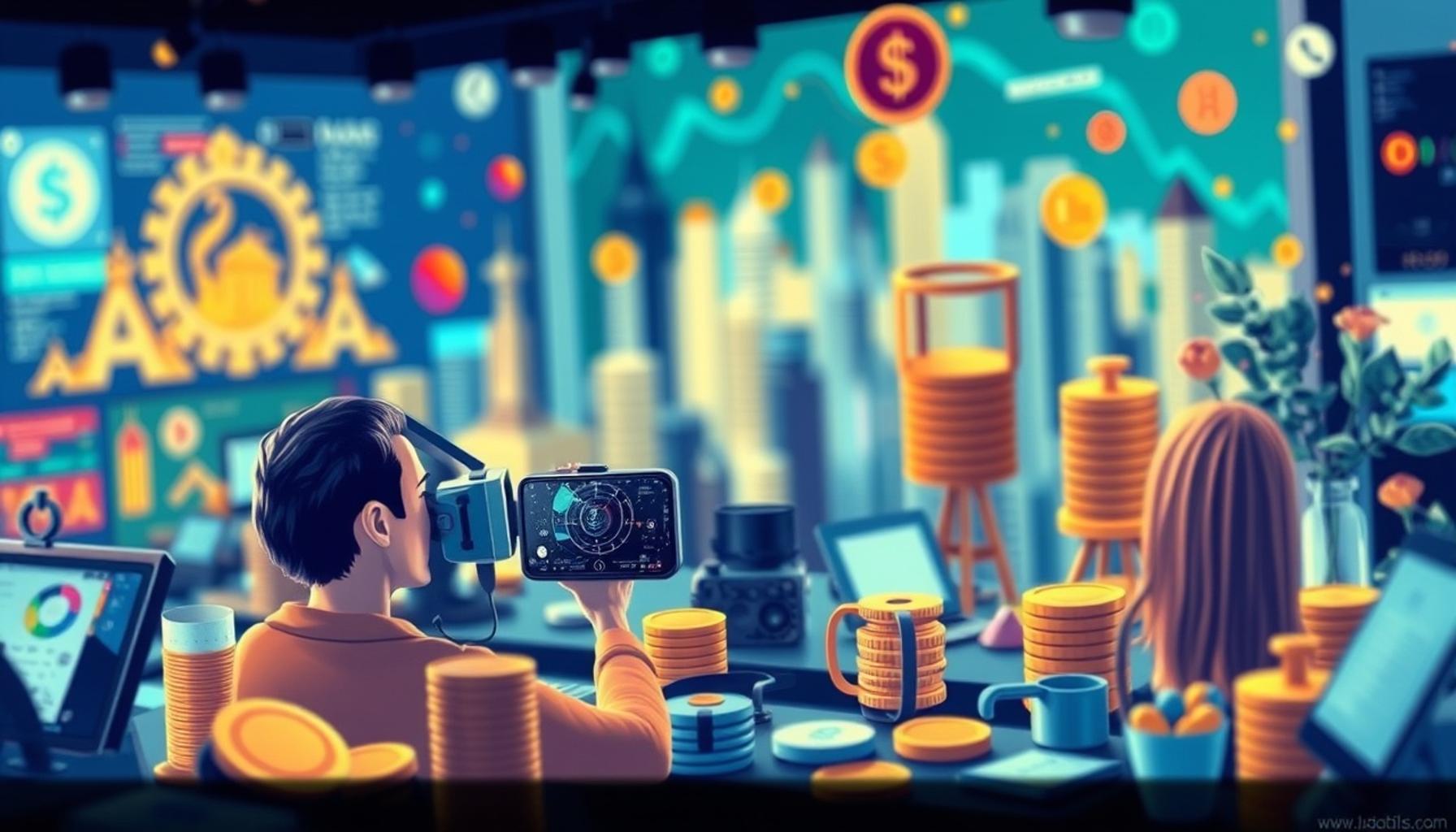
The Impact of Immersive Technologies on Marketing
In recent times, we have witnessed a profound transformation in the digital marketing landscape due to the rise of immersive technologies such as Virtual Reality (VR) and Augmented Reality (AR). These technologies, far from being mere novelties, are fundamentally altering the way brands connect with consumers across the globe. As we explore these advancements, it becomes clear they offer significant advantages for businesses seeking to enhance their marketing efforts.
One of the primary benefits of immersive technologies is their ability to enhance engagement. By creating lifelike scenarios, companies have the potential to immerse consumers in an experience that captivates and retains their attention. For example, consider a brand like Disney, which uses VR to create thrilling, interactive experiences around its themes and movies. Visitors can step into the worlds of their favorite characters, evoking emotional responses that written or static advertisements simply cannot achieve.
Moreover, these technologies allow brands to personalize customer experiences. Businesses can leverage data to tailor their content to the preferences of individual consumers, making marketing messages more relevant and impactful. An illustrative example is Nike’s use of AR features in their mobile app, which allows users to customize and visualize sneakers before making a purchase. This not only helps in boosting customer satisfaction but also increases the likelihood of a completed sale, with consumers more willing to invest when they feel that their choices are being acknowledged.
Another significant advantage provided by AR is the ability to showcase products effectively. It offers customers a unique opportunity to visualize how products would fit into their lives, thus reducing purchase hesitation. A particularly notable instance can be seen with companies like IKEA, which have developed AR apps that permit customers to place 3D models of furniture in their own homes through their smartphones. This functionality aids consumers in making informed selections, as they can assess scale, style, and fit in their actual living spaces.
The impact of these immersive experiences is particularly evident in industries such as retail, real estate, and entertainment. In real estate, companies like Zillow are integrating VR tours that allow potential buyers to walk through homes from the comfort of their own living room. This innovation saves time and resources for both buyers and sellers, making the buying process not just more convenient, but also more enjoyable.
As we delve deeper into the mechanisms behind these technologies, it is crucial to note that adopting VR and AR can lead to stronger relationships with customers. By delivering engaging and personalized experiences, brands not only enhance the customer’s journey but also position themselves uniquely within a rapidly evolving digital landscape. Embracing these technologies not only leads to better customer satisfaction but can also provide a competitive edge in today’s market. Businesses that are willing to invest in these innovative marketing strategies are likely to thrive, finding success in attracting and retaining a loyal customer base.
DISCOVER MORE: Click here for savvy saving tips
Transforming the Customer Journey
The integration of VR and AR technologies into digital marketing does not merely enhance engagement; it fundamentally transforms the entire customer journey. By providing an interactive platform from the first touchpoint, these technologies allow brands to create captivating narratives that resonate with consumers on a deeper emotional level. As potential customers interact with a brand through immersive experiences, they are more likely to develop a sense of connection and loyalty.
To fully understand this transformation, it’s essential to analyze how immersive technologies shape various stages of the customer journey:
- Awareness: Through innovative campaigns that utilize VR, brands can present their products in engaging, memorable ways. For instance, automotive companies like Ford are using VR to give potential buyers virtual test drives, showcasing the experience of the vehicle in action without leaving the showroom.
- Consideration: AR apps can visualize products in the consumer’s everyday environment, allowing them to see how a new appliance might look in their kitchen or how clothing fits without physically trying it on. This immediate contextualization is a game-changer.
- Purchase: The seamless purchasing process facilitated by these technologies can significantly reduce the friction typically associated with online shopping. For example, with just a few taps, users of AR applications can order their favorite coffee after seeing it in a virtual setting.
- Post-purchase: VR and AR can enhance the post-purchase experience through engaging follow-up content. For example, companies like L’Oreal offer beauty tutorials using AR to help customers see the best ways to use their products after purchase, reinforcing satisfaction and increasing the likelihood of repeat business.
These technologies don’t just improve the consumer’s experience; they also allow companies to gather valuable data about user interactions and preferences. By analyzing how users engage with VR and AR experiences, businesses can gain critical insights that help refine their marketing strategies and tailor future campaigns more effectively.
Moreover, as brands utilize VR and AR, they can create a memorable brand identity. Companies that embrace these immersive experiences are often perceived as innovative and forward-thinking, setting themselves apart from more traditional competitors. This differentiation is essential in crowded markets, where attracting consumer attention is increasingly challenging.
As we continue to explore the potential of immersive technology in marketing, it is vital for businesses to remain agile and open to adapting these new tools. The success of a marketing strategy in today’s digital world hinges upon the ability to create experiences that engage customers authentically and compel them to share their positive experiences with others, thus amplifying the brand’s reach.
DISCOVER MORE: Click here for insights on consumer choices influenced by AI
Enhancing Personalization and Engagement
Another significant advantage of VR and AR technologies in digital marketing is their ability to create personalized experiences that resonate with individual consumers. Personalization has become a cornerstone of effective marketing strategies, and these immersive technologies take it to a new level. By tailoring experiences to the preferences and behaviors of specific users, brands can foster deeper connections and drive engagement in unprecedented ways.
For instance, brands can leverage VR to create tailored virtual environments that reflect the interests of the user. A travel company may offer a virtual reality experience that allows users to explore different destinations based on their preferences—be it a serene beach getaway, an adventurous mountain trek, or a bustling city tour. By enabling potential travelers to immerse themselves in these environments, the company not only captures their attention but also helps them envision their potential vacations more vividly, making them more likely to book a trip.
In a similar vein, AR technologies can use data collected from user interactions to provide customized recommendations. For example, furniture retailers like IKEA utilize AR to allow customers to visualize how different pieces of furniture will look in their homes. By integrating consumer data, the app can suggest styles and layouts based on previous purchases or preferences, creating a highly relevant shopping experience. This kind of hyper-personalization not only enhances engagement but also increases the likelihood of conversion.
The influence of VR and AR extends beyond specific brands; it reshapes entire industries. In retail, brands like Nike are redefining their customer engagement strategies with immersive experiences that let consumers customize their products. For instance, customers can design personalized sneakers in an AR interface, previewing the final product before making a purchase. Such interactions not only empower the consumer but also make them feel more invested in their purchases, driving both satisfaction and loyalty.
Moreover, the integration of social media with AR features amplifies user engagement further. Social media platforms like Snapchat have effectively incorporated AR filters that allow users to interact with branded content in playful ways. Brands running campaigns on these platforms can create AR experiences that invite users to engage with their products creatively—whether it’s trying on virtual makeup, wearing clothing, or even experiencing a brand’s personality through augmented animations. When users share these experiences with their friends, it generates organic content and buzz around the brand, leading to increased visibility and interest.
The ability to collect real-time feedback through immersive experiences also represents a transformative opportunity for marketers. As consumers interact with AR and VR content, brands can gather insights into user preferences, behaviors, and pain points instantaneously. This data can optimize product offerings or personalize future campaigns, allowing businesses to stay ahead of market trends and continuously meet consumer needs.
In a world where consumer expectations are ever-evolving, the adoption of VR and AR technologies in digital marketing presents a crucial strategy for businesses. By fostering a culture of interaction and personalization, these technologies not only improve customer satisfaction but also play an essential role in shaping long-term brand loyalty. Embracing these immersive experiences is no longer a trend but a requisite for brands aiming to thrive in a competitive landscape.
DISCOVER MORE: Click here for insights on AI in online shopping
Conclusion
In summary, virtual reality (VR) and augmented reality (AR) technologies are not merely fleeting trends but rather transformative tools that are redefining the landscape of digital marketing. These immersive experiences provide businesses with unique opportunities to engage consumers in ways that were previously unimaginable, facilitating deeper connections and enhancing customer satisfaction.
The power of personalization is one of the standout benefits of VR and AR. By capitalizing on real-time data and insights, brands can create tailored experiences that resonate with the specific tastes and preferences of individual consumers. As seen with examples like IKEA’s AR shopping app or Nike’s customizable sneakers, the ability to visualize and interact with products before purchase significantly boosts consumer confidence and satisfaction.
Additionally, the integration of these technologies into social media platforms serves to amplify engagement, further driving brand visibility and conversation. Brands that leverage AR filters and interactive content find themselves not just selling a product, but creating a shared experience that resonates within communities, making it easier for consumers to advocate for the brand.
Ultimately, as businesses navigate the evolving expectations of today’s consumers, embracing VR and AR technologies will be essential for staying competitive in a crowded market. By investing in immersive experiences, brands can not only enhance their marketing strategies but also cultivate lasting loyalty and trust among their customer base. The future of marketing lies in the ability to create meaningful interactions, and immersive technologies are leading the charge in this exciting revolution.