The Influence of Creative Arts on Mental Health: How Artistic Hobbies Can Reduce Stress and Increase Well-Being
Mental Health Benefits of Engaging in Creative Arts
Creative arts have long been celebrated for their beauty and emotional expression. However, their impact on mental health is gaining recognition in wellness discussions across the United States. Engaging in artistic hobbies can lead to significant improvements in emotional and psychological well-being. The therapeutic potential of creative arts is being increasingly acknowledged by mental health professionals and researchers alike.
Benefits of Artistic Hobbies
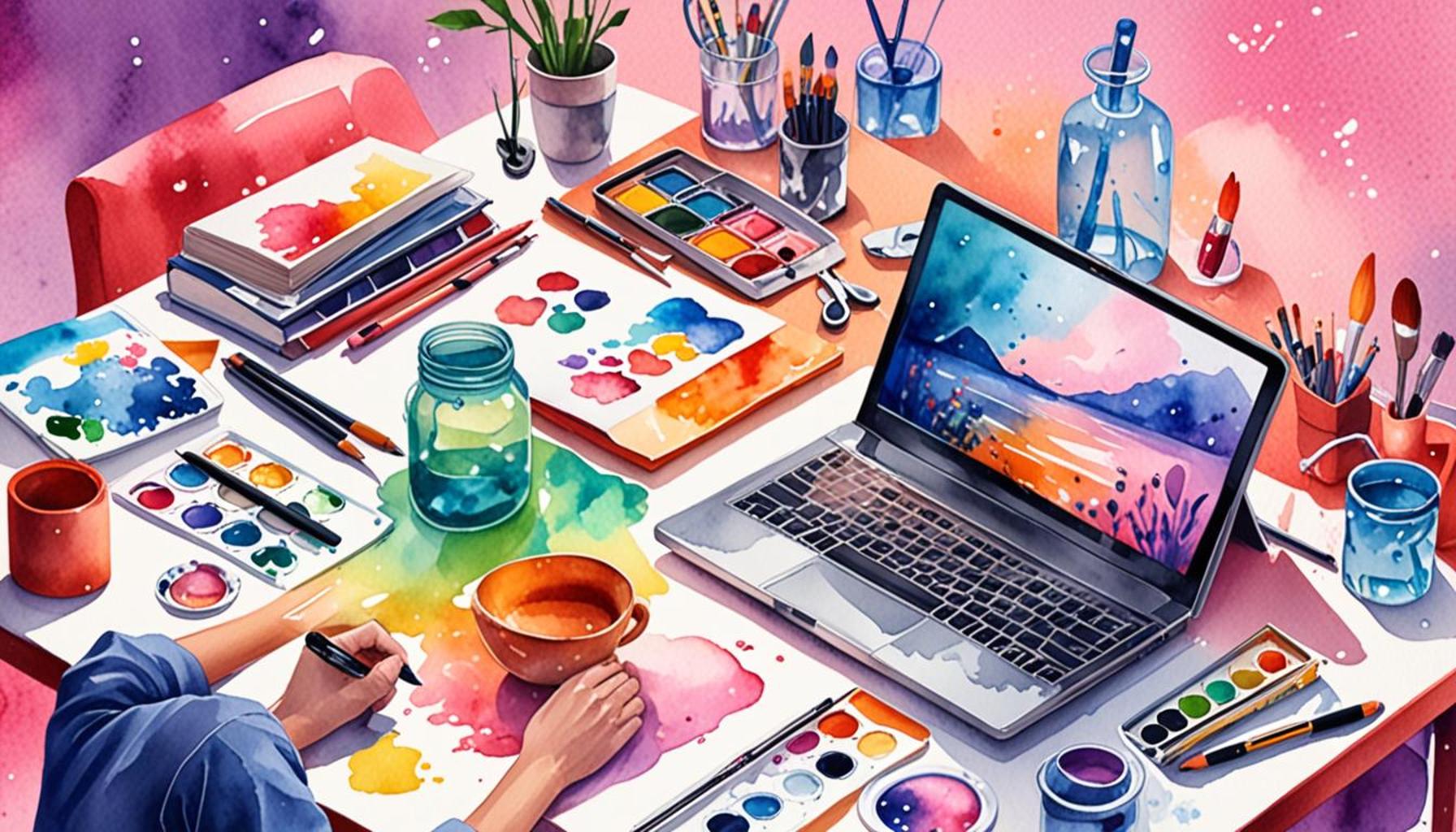
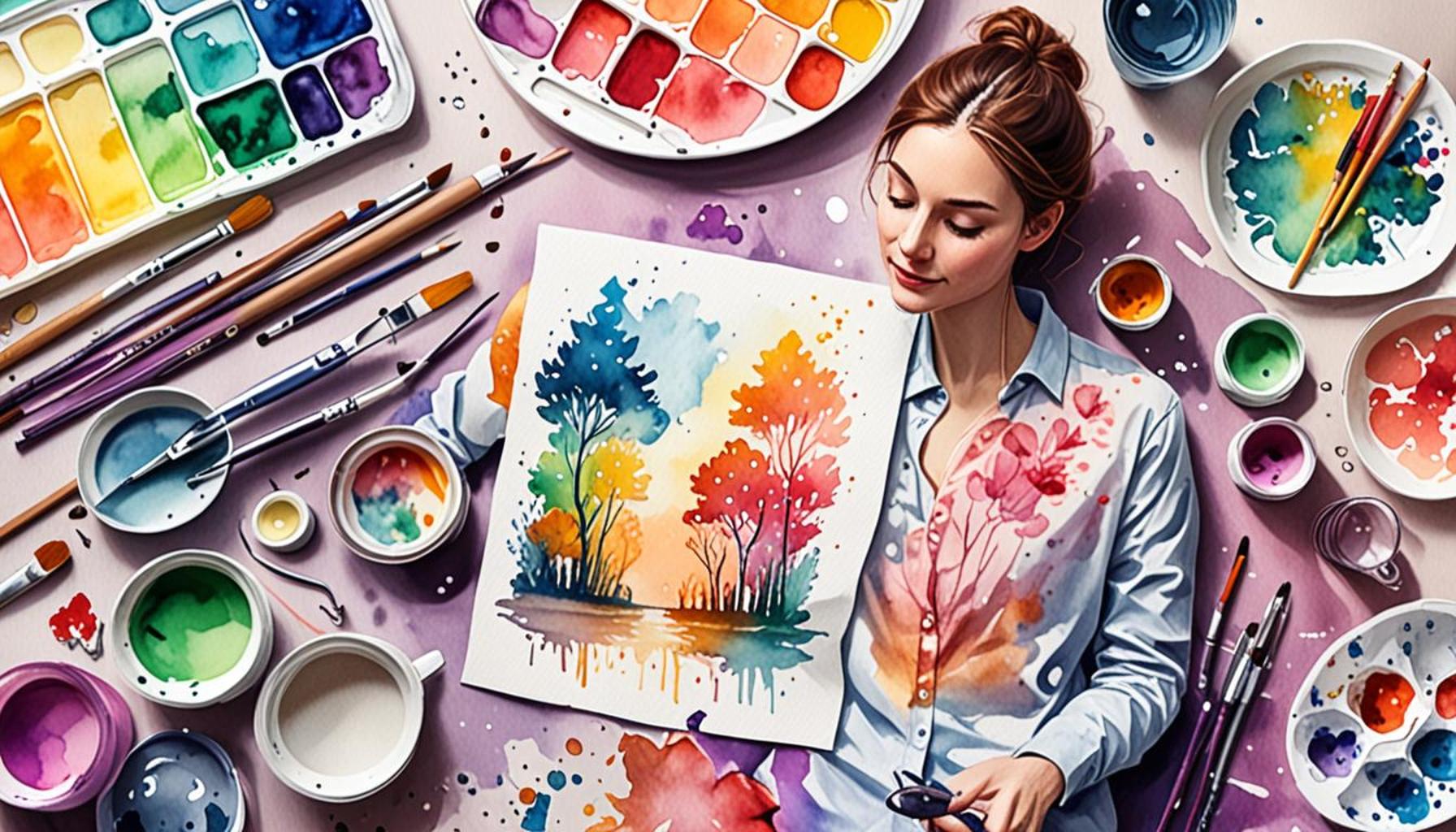
- Stress reduction: Activities like painting, sculpting, or playing music serve as effective outlets for stress relief. Engaging in these activities allows individuals to focus on the present moment, which can significantly alleviate anxiety. For example, many people find that spending just 30 minutes painting can provide a calming effect, reducing cortisol levels—the primary stress hormone.
- Enhanced self-esteem: Completing a creative project boosts personal achievement and self-worth. The act of creation often leads to feelings of accomplishment, empowering individuals and fostering resilience. For instance, someone who finishes a handmade quilt not only enjoys the tangible result of their labor but also experiences a surge in confidence that can influence other areas of their life.
- Social connection: Participation in group classes or community art projects fosters relationships, combating isolation. Many art centers in the U.S. offer workshops where individuals can come together to explore their artistic abilities. These social settings provide a sense of belonging and community, crucial for mental health, especially in a society where loneliness is increasingly prevalent.
Research supports the idea that individuals who regularly partake in creative arts report lower levels of anxiety and depression. For instance, a study published in the journal Art Therapy demonstrated that art therapy can aid individuals in processing complex emotions and healing from trauma. This form of therapy has proven particularly beneficial for populations such as veterans suffering from PTSD, highlighting the vital role of creativity in mental wellness.
Exploring the Impact
Diving deeper into the influence of creative activities on mental health uncovers unique pathways for enhancing overall well-being. Engaging in artistic practices can improve emotional regulation, provide an outlet for self-expression, and stimulate cognitive functions. Practical tips for incorporating creativity into daily life include scheduling regular creative time, exploring various art forms, and joining local art groups or online communities. Setting aside moments to create, whether through doodling, journaling, or crafting, can sow the seeds for personal growth and emotional healing.
In conclusion, the benefits of engaging in creative arts extend far beyond mere enjoyment. They play a crucial role in fostering mental health and well-being. As the understanding of this connection continues to grow, individuals are encouraged to explore artistic expression, not just as a leisurely activity but as an essential component of a balanced and fulfilling life. Whether painting a canvas or strumming a guitar, creative arts offer profound opportunities for healing and joy.
DISCOVER MORE: Click here for essential safety tips on street running
Understanding the Connection Between Creativity and Mental Health
The relationship between creativity and mental health offers intriguing insights into the ways in which engaging in artistic hobbies can significantly benefit individuals coping with stress and emotional challenges. Far beyond mere pastime activities, creative arts serve as powerful tools for enhancing mental well-being, and numerous studies back this assertion. For many, the act of creating art—whether it’s painting, writing, music composition, or dance—can become a pathway to personal growth, psychological resilience, and emotional expression.
Art as a Therapeutic Tool
The therapeutic value of art cannot be overstated. Creative activities provide a unique opportunity for individuals to explore their thoughts and feelings in a safe and constructive manner. According to the American Psychological Association, engaging in artistic hobbies can yield profound psychological benefits, allowing individuals to process their emotions effectively and alleviate symptoms of anxiety and depression. Art therapy has been successfully employed in various therapeutic settings to help patients express their emotions non-verbally, serving as a bridge to healing.
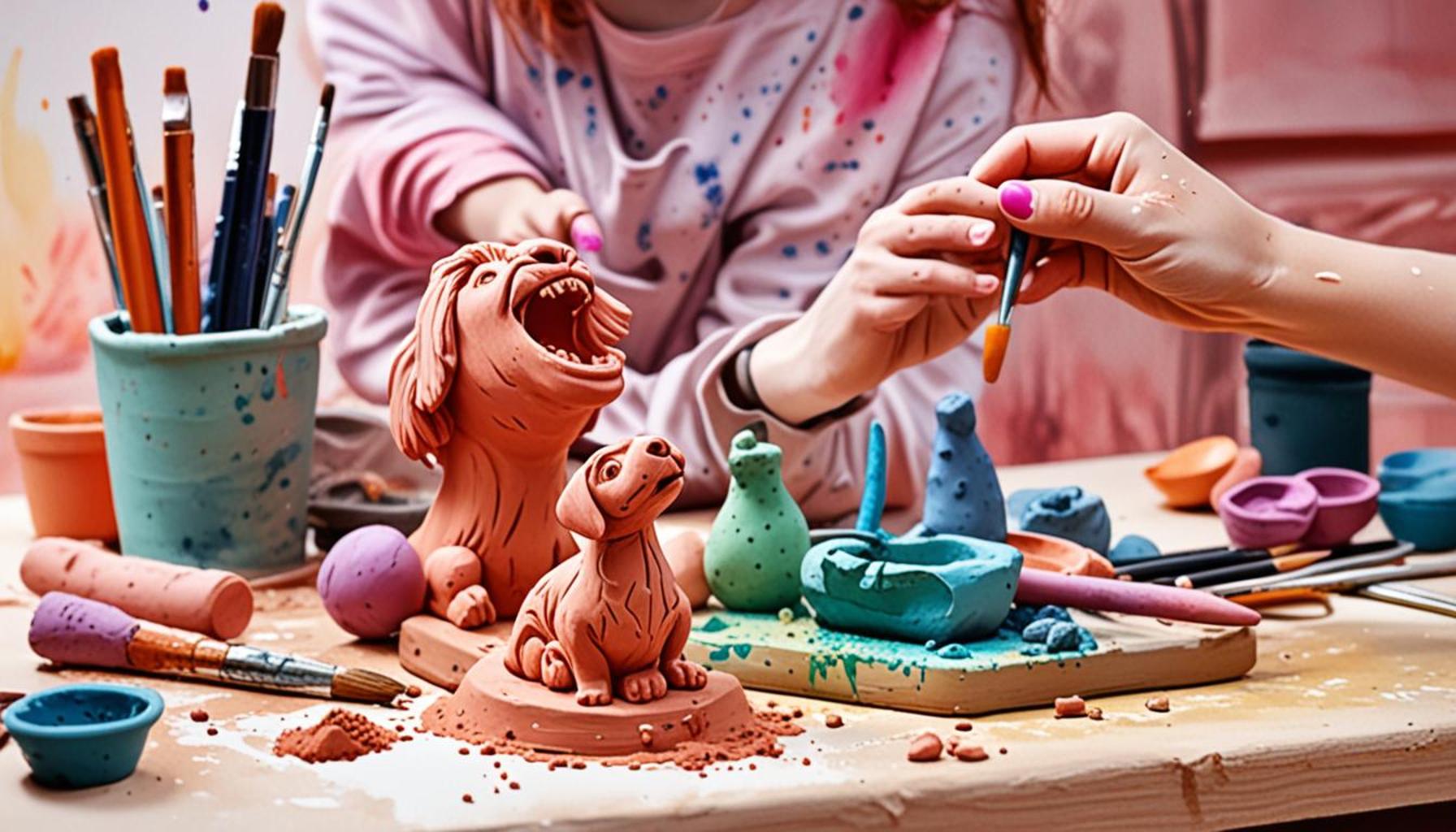
- Creative expression: Art provides a voice to those who may struggle with verbal communication. Individuals can articulate complex feelings through paint, clay, or music, offering an outlet for emotions that words may fail to express.
- Mindfulness practice: Creative hobbies naturally align with mindfulness, as they encourage individuals to immerse themselves in the moment. This presence reduces ruminating thoughts and cultivates a sense of peace and tranquillity.
- Building coping skills: By regularly engaging in creative activities, individuals develop healthier coping strategies. The discipline of committing to a creative project teaches perseverance and resilience, which are beneficial in navigating life’s challenges.
Interestingly, a series of experiments conducted by researchers at the University of Utah indicated that people involved in creative pursuits showed significantly less activity in the brain areas associated with stress. Such findings support the notion that creative arts can induce a calmer state of mind. Moreover, another study published in the journal Psychology of Aesthetics, Creativity, and the Arts suggests that creating art can lead to an emotional catharsis, where individuals feel a release of pent-up emotions, elevating their mood and overall sense of happiness.
Unlocking Creative Potential
While the connection between art and mental health is gaining momentum, many still hesitate to explore their creative potential, often due to fear of judgment or feelings of inadequacy. It is essential to recognize that artistic expression does not require expertise or perfection. Rather, the focus should be on the personal experience and emotional journey that unfolds during the creative process. Individuals are encouraged to cultivate their creativity simply for the joy it brings, rather than as a pursuit of professional success.
In this era of heightened stress and emotional challenges, prioritizing artistic hobbies can be a catalyst for positive change. By embracing creativity, we not only nurture our mental health but also foster a deeper connection to ourselves and to those around us. Whether it’s forming a weekly painting group or dabbling in a new musical instrument, the possibilities for enhancing mental well-being through creative arts are practically limitless.
The Therapeutic Benefits of Engaging in Creative Arts
Engaging in creative arts is not just an enjoyable pastime; it also serves as a vital tool for enhancing mental health. Studies have shown that involvement in artistic hobbies can significantly reduce levels of stress and anxiety. When individuals immerse themselves in painting, music, writing, or dancing, they often experience a profound sense of freedom and emotional release. The repetitive motions involved in painting or the rhythmic nature of music can be meditative in their own right, allowing participants to enter a state of flow that fosters relaxation.Moreover, creative expression encourages individuals to articulate their emotions and thoughts, serving as a healthy outlet for feelings that might otherwise be bottled up. This kind of emotional exploration can be especially beneficial for those dealing with trauma or mental health issues, as it opens avenues for reflection and healing. Furthermore, participating in group artistic activities fosters a sense of community and belonging, which can alleviate feelings of isolation. This connection with others through shared creative pursuits can play an essential role in enhancing one’s overall well-being.Additionally, various studies highlight that the act of creating art activates various areas of the brain associated with pleasure and reward. The release of endorphins and dopamine during such activities contributes to improved mood and motivation. Thus, hobbies that stimulate creativity are invaluable not only for personal enjoyment but also for mental wellness. Recognizing this potential can lead individuals to explore new artistic avenues, which may ultimately unlock new pathways to emotional stability and joy.
| Advantages of Creative Arts | Key Benefits for Mental Health |
|---|---|
| Stress Reduction | Artistic activities promote relaxation, leading to decreased stress levels. |
| Emotional Expression | Creativity serves as an outlet for emotions, helping individuals process feelings and trauma. |
| Community Connection | Participating in group arts fosters relationships and a sense of belonging. |
| Mood Enhancement | Engagement in creative endeavors releases endorphins, improving overall mood. |
Continued exploration of these artistic hobbies could reveal additional benefits and empower individuals to embrace creative expression as a means to enhance their mental well-being.
DISCOVER MORE: Click here for essential warm-up techniques
The Positive Impact of Artistic Hobbies on Mental Health
Artistic hobbies offer a sanctuary for many, providing a productive means of coping with stress and enhancing emotional well-being. Engaging in creative activities can yield a multitude of benefits, fostering an environment conducive to growth, healing, and personal fulfillment. As more individuals embrace the notion of creativity as an essential component of mental health, the significance of artistic expression continues to gain recognition in both therapeutic and everyday settings.
Cognitive Benefits of Creativity
Delving into creative arts not only uplifts the spirit but also stimulates cognitive functioning. Participating in artistic hobbies requires critical thinking and problem-solving skills, promoting cognitive flexibility and enhancing mental agility. For instance, activities such as painting or sculpting encourage individuals to make decisions about color, form, and style, thereby stimulating the brain’s neural connections. The National Endowment for the Arts reported that older adults who engage in creative activities show improved cognitive function compared to those who do not partake in such pursuits.
- Boosting memory: Regularly practicing creativity sharpens memory and attention. Engaging in activities such as music-making or creative writing can challenge the brain, enhancing neuroplasticity, which is essential for learning and memory retention.
- Fostering innovation: The creative process often involves experimentation and exploration, which cultivates an innovative mindset. This openness to new ideas can empower individuals to approach life’s challenges with fresh perspectives and renewed hope.
The Social Aspect of Artistic Pursuits
Artistic hobbies are inherently social, often bringing individuals together to share experiences, ideas, and inspiration. Group activities, such as community art classes or collaborative music sessions, foster a sense of belonging and support, crucial for improving mental health. Social interaction in creative settings can combat feelings of isolation and loneliness, which are prevalent in today’s society. According to a study published in the American Journal of Public Health, individuals who regularly engage in community art projects report greater happiness and life satisfaction.
- Building relationships: Artistic hobbies create opportunities for meaningful connections with others who share similar interests. This shared passion can nurture friendships, fostering a sense of community where individuals feel understood and valued.
- Encouraging collaboration: Participating in group artistic endeavors promotes teamwork and communication skills, essential for establishing healthy relationships and improving interpersonal dynamics.
Artistic Expression and Personal Identity
Artistic hobbies allow individuals to explore their identities and communicate their life experiences. For many, art serves as a reflection of personal journeys and cultural backgrounds. This form of expression can lead to increased self-awareness, helping individuals comprehend and articulate their emotions more effectively. According to ResearchGate, creative expression is linked to higher self-esteem and a more profound sense of purpose. By engaging in artistic activities, individuals often develop a clearer understanding of themselves and their place in the world.
In a society that frequently prioritizes productivity and achievement, embracing artistic hobbies as part of self-care signifies a powerful shift towards valuing mental health and well-being. The arts offer an unparalleled opportunity for individuals to cultivate a deeper connection with themselves, process their emotions, and build fulfilling relationships. As awareness grows about the transformative potential of creativity on mental health, it is increasingly clear that artistic engagement can serve as a resilient lifeline for individuals navigating life’s complexities.
DISCOVER: Click here to unwind with birdwatching
Conclusion: Embracing the Healing Power of Creativity
As the evidence mounts, it becomes increasingly apparent that engaging in artistic hobbies can profoundly transform mental health and overall well-being. The interplay of creativity and emotional expression fosters not just cognitive enhancements but also reinforces social connections and deepen personal identity. Whether through painting, music, dance, or writing, individuals are given the opportunity to channel their feelings, confront their challenges, and ultimately promote a more balanced state of mind.
This exploration into the influence of creative arts on mental health emphasizes the essential role of artistic endeavors in combatting the stresses of everyday life. As individuals tap into their creative potential, they not only experience a release from tension but also cultivate resilience and hope for the future. Moreover, community art initiatives reveal the additional benefit of shared experiences, proving that connection and collaboration are vital ingredients for psychological well-being.
With ongoing research highlighting the positive outcomes associated with creativity, it is vital to advocate for the inclusion of artistic practices in mental health strategies and community programs. Creating a culture that values and nurtures artistic expression can serve as a valuable resource for all, reinforcing the idea that one’s creativity is a powerful tool for healing. As we continue to recognize the multifaceted benefits of the arts, we should encourage individuals to embrace their creative sides, knowing that the journey into self-expression is, in itself, a journey toward enhanced mental health.