The Influence of Sports on Creativity: How Sports Practice Can Stimulate Creative Hobbies
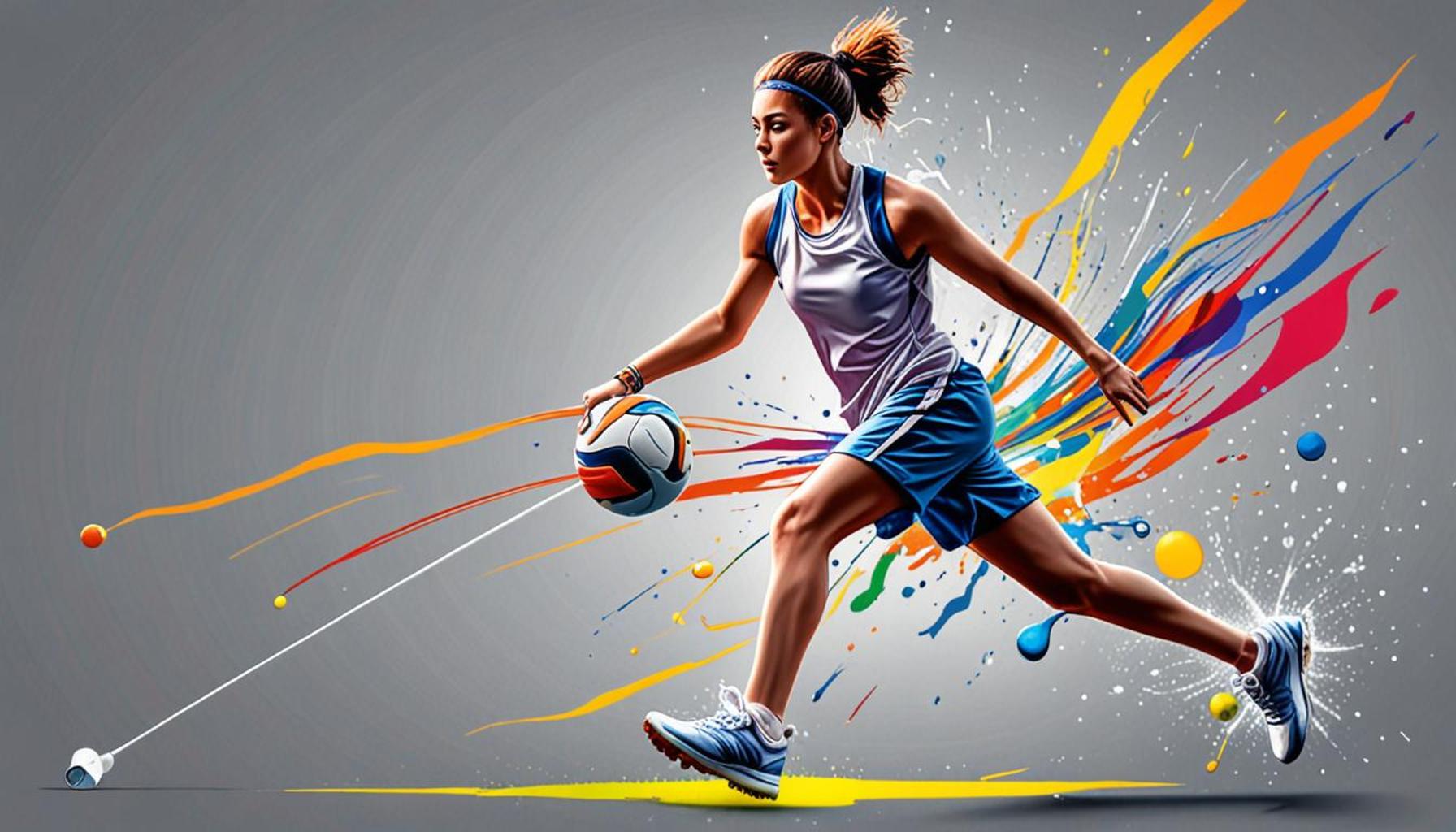
Exploring the Dynamic Interplay of Athletics and Imagination
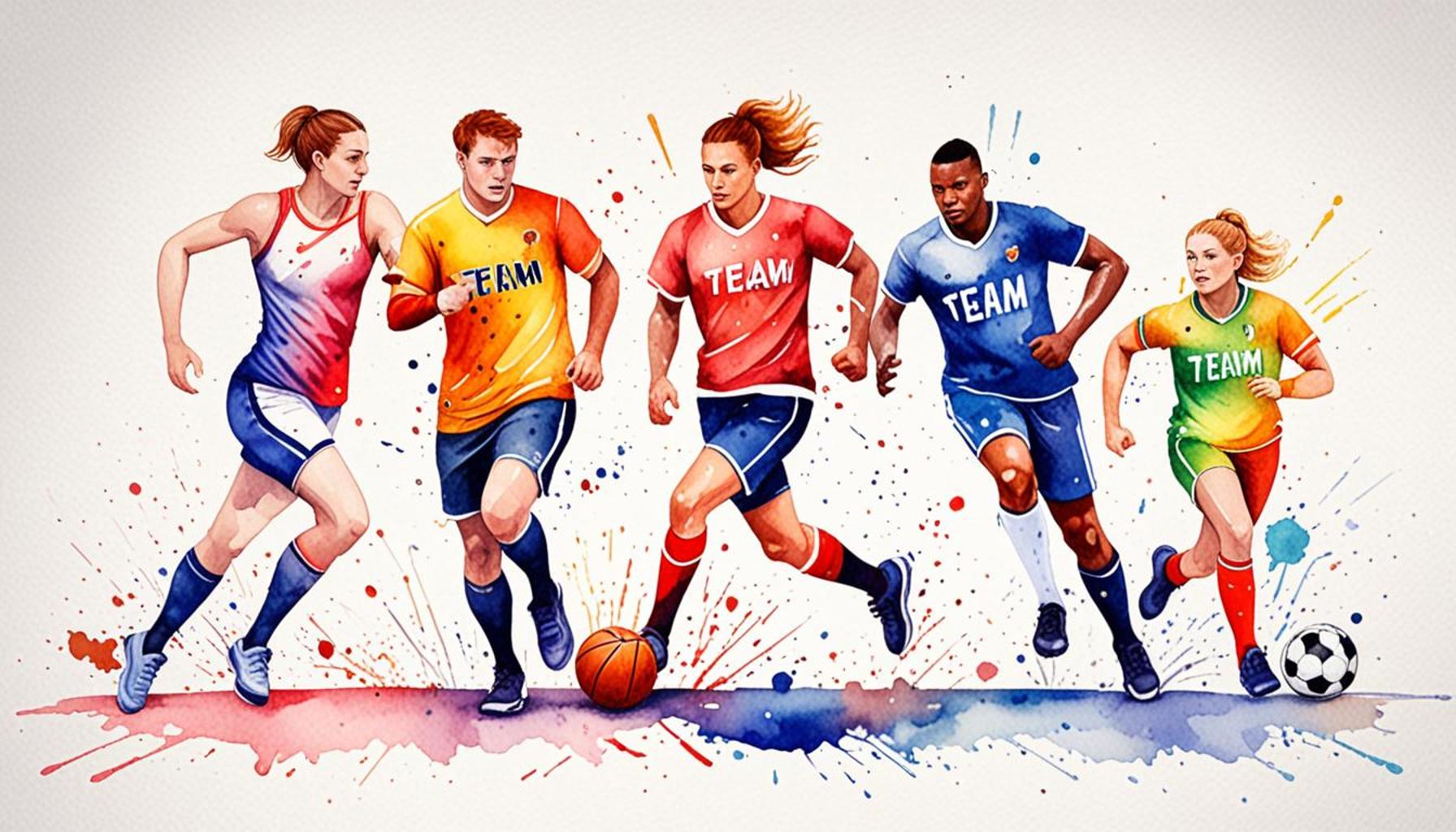
The interaction between sports and creativity is a fascinating topic that sparks interest across various fields. Engaging in sports not only enhances physical health but also nurtures creative thinking and innovation in unexpected ways. This unique connection can lead to profound personal development and societal contributions, where athletic engagement serves as a springboard for imaginative exploration.
Benefits of Sports on Creativity
- Improved Focus: Regular participation in sports can lead to enhanced concentration levels, a necessary skill both on the field and in problem-solving situations. For instance, a basketball player learning to read the opposing team’s defense must remain intensely focused, a practice that can translate to improved attention when tackling complex tasks in the workplace or in creative endeavors.
- Increased Confidence: Achieving goals in sports builds self-esteem, inspiring creativity in other areas. Consider how a gymnast perfecting a difficult routine may find that their newfound confidence encourages them to explore new artistic styles in dance or performance art.
- Stress Relief: Physical activity releases endorphins, reducing stress and allowing for clearer thinking. This reduction in stress can facilitate a mental state that fosters creativity, as artists often describe moments of inspiration arriving during or after engaging in a workout.
Many athletes find that their creative hobbies begin to flourish as they embrace the discipline and teamwork involved in sports. For instance, renowned athletes like Serena Williams, a champion tennis player who also has a thriving fashion line, and Kobe Bryant, who ventured into storytelling through his animated short film, illustrate how experiences within sports can enhance artistic pursuits and foster innovation.
Exploring New Avenues
Think about some creative hobbies that benefit from sports practice:
- Writing: Many writers gain inspiration through their athletic experiences. For example, sports journalism serves as a bridge between the two, with writers often blending analytical skills from game strategy with imaginative narratives about athletes’ journeys.
- Photography: Capturing moments from sports can ignite a passion for visual art. Photographers documenting a high-stakes basketball game often find themselves translating the raw emotion of the moment into broader artistic themes.
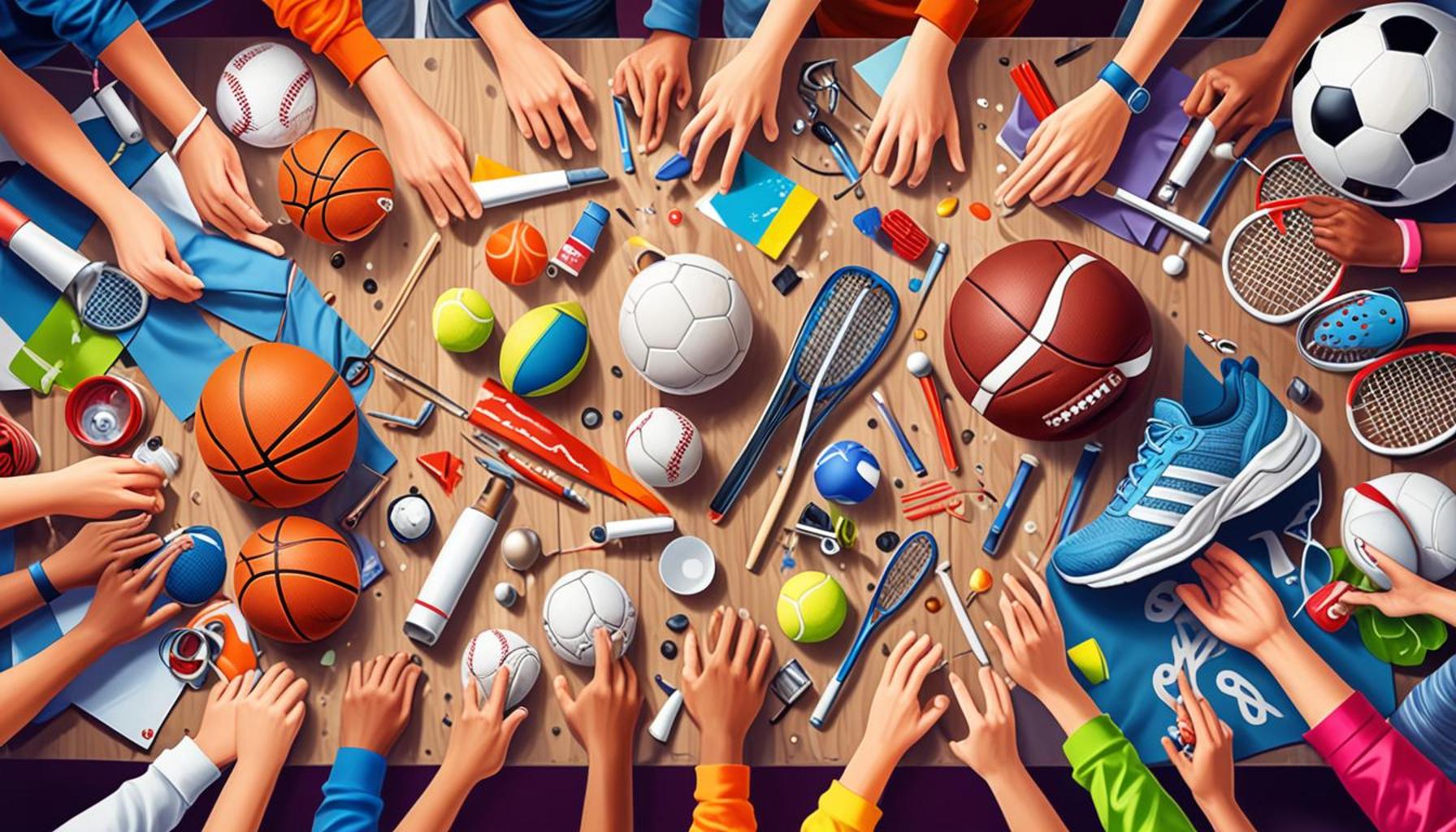
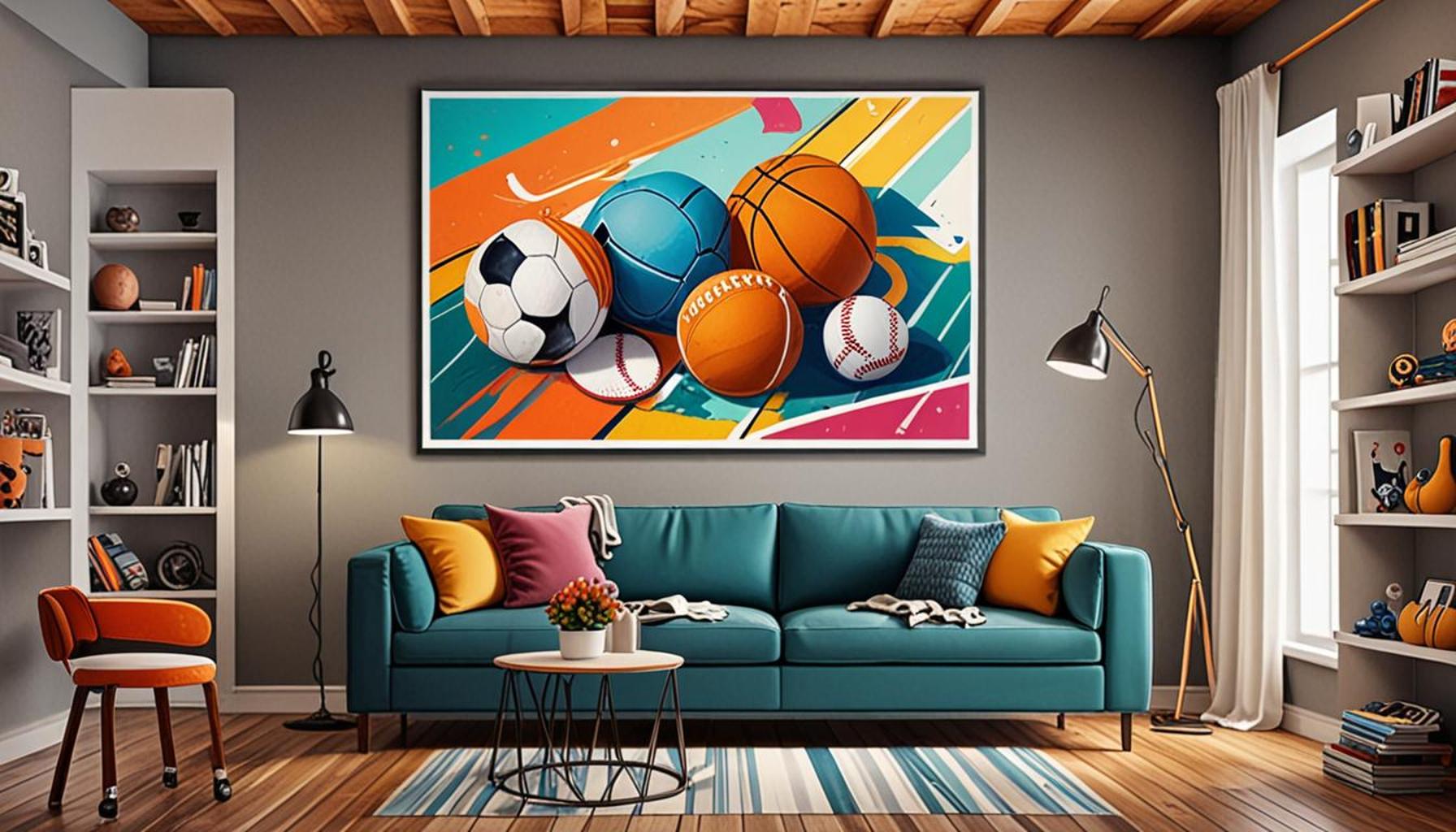
- Painting: The emotions and colors associated with sports can influence an artist’s palette. The vibrant energy of a football game can lead to bold colors and dynamic compositions in visual artwork, reflecting the spirit of competition.
Furthermore, understanding the link between sports and creativity holds the potential to enrich both fields. By delving into this compelling exploration, one can unveil how sports practice serves as a unique catalyst for creative expression. The fusion of physical and imaginative realms not only promotes personal growth but also enriches cultural narratives and community experiences surrounding sports and the arts.
DISCOVER MORE: Click here to start your collection journey
The Synergy of Athleticism and Artistic Expression
When one delves into the influence of sports on creativity, it becomes evident that the synergy between the two realms can be striking. Athletic practice fosters qualities that are immensely beneficial to the creative process. The structured environment of sports imparts valuable life skills such as perseverance, strategic thinking, and teamwork, all of which can seamlessly transition into various creative endeavors.
Cultivating Innovative Thinking
Participating in sports cultivates a mindset geared toward innovation. Athletes are often required to adapt their strategies on the fly, developing a keen sense of situational awareness. This adaptability mirrors the essence of creative problem-solving. For example, a soccer player assessing the pitch’s dynamics must quickly decide whether to pass or dribble. This instantaneous decision-making can extend into artistic fields, encouraging individuals to think outside conventional boundaries and explore new ideas.
The Impact of Sports on the Brain
Research has shown that engaging in physical activity positively affects brain function, enhancing cognitive abilities that are critical for creativity. Regular sports practice can increase neurogenesis, the production of new neurons, particularly in the hippocampus, which is crucial for memory and learning. This physiological change leads to primary benefits for creatives:
- Enhanced Imagination: Athletes often find that their minds are more open to unconventional ideas and perspectives after workouts, making them more inventive in their artistic pursuits.
- Improved Emotional Resilience: The emotional highs and lows inherent in sports can translate to greater emotional intelligence. Understanding one’s feelings during competition helps artists convey complex emotions in their work.
- Greater Collaboration: Many sports emphasize teamwork, which can inspire collaborative art projects. This interplay between athletes and artists can foster community-driven creative endeavors.
Moreover, individuals often find a natural overlap between their physical and creative expressions. Consider the renowned musician Dave Grohl, the former drummer for Nirvana and frontman of Foo Fighters, whose passion for skateboarding and involvement in sports continues to influence his music-making process. Such connections illustrate how the rhythms of athleticism can resonate within artistic domains, paving the way for novel contributions within those fields.
Embracing a Holistic Approach
As individuals recognize the multifaceted benefits of engaging in sports—ranging from improved cognitive function to enhanced emotional well-being—there is a natural inclination towards exploring creative hobbies. This holistic approach encourages athletes to branch out into diverse creative outlets such as performing arts, visual arts, or literature, inherently blending their physical experiences with artistic expression.
In conclusion, the interplay between sports practice and creativity is a potent dynamic that flips the narrative—showcasing how physical pursuits can lead to profound artistic innovations. Understanding this relationship opens doors to new perspectives on personal achievement, community ties, and the richness of creative expression in various forms. Beyond the scoreboard or artistic accolades, lies a fascinating world where sports and creativity continuously inspire one another, igniting passions that transcend their respective domains.
The Multifaceted Impact of Sports on Creative Thinking
As research shows, engaging in sports not only enhances physical well-being but also cultivates an environment conducive to creative thinking. The rigorous practice involved in sports often leads to developing essential cognitive skills that can enhance creativity in other areas. Here are a few ways this manifests itself:
Increased Cognitive Flexibility
Participation in sports requires constant adaptation, whether it’s adjusting strategies during a game or responding to unpredictable scenarios. This cognitive flexibility translates well into creative hobbies such as writing or painting. Athletes learn to think on their feet, which can inspire innovative approaches and solutions in their artistic endeavors.
Enhanced Problem-Solving Skills
Sports often present various challenges that require quick problem-solving, from overcoming obstacles in a race to making strategic decisions in team sports. These problem-solving skills foster a mindset that values exploration and experimentation, which is vital for creative pursuits like music composition or design. By solving problems on the field, athletes develop a toolkit that can help them think outside the box in their respective creative hobbies.
Boost in Self-Esteem and Confidence
Achieving milestones in sports can significantly boost an individual’s self-esteem. This newfound confidence often spills over into other areas of life, including creative expression. When individuals feel secure in their abilities, they are more likely to take risks in creative domains, leading to richer and more fulfilling artistic experiences.
Connection and Collaboration
Team sports, in particular, emphasize the importance of collaboration and communication. Such experiences teach individuals to value diverse perspectives, an essential aspect of creativity. Collaborating with others in a sporting context can inspire individuals to engage similarly in artistic settings, inviting different viewpoints into their creative processes.In conclusion, the relationship between sports and creativity is complex yet undeniably influential. Proper engagement in sports cultivates a mindset that is agile, innovative, and prepared to tackle challenges – advantageous traits that enrich creative hobbies and stimulate the creative spirit.
DISCOVER MORE: Click here to enhance your crochet skills
Transformative Experiences: From the Field to the Canvas
The benefits of engaging in sports extend beyond the physical realm, manifesting as transformative experiences that can deeply enrich artistic expression. Athletes often report that their time spent in physically demanding environments cultivates a profound sense of discipline and focus, which can be directly applied to creative hobbies. This alignment between the physical and creative disciplines creates a unique platform for individuals to explore their artistic sides with clarity and intent.
Physicality as a Creative Catalyst
The physicality involved in sports serves as a catalyst for unleashing creativity. For instance, dancers frequently draw inspiration from sports such as gymnastics or martial arts, incorporating those movements into their routines. Similarly, the energy and flow of a basketball game can inspire a painter to express dynamic motion on canvas. This cross-pollination between sports and the arts allows practitioners to transform their experiences into captivating visual or performing arts.
Furthermore, the adrenaline and endorphins released during athletic activities can spark creative thinking. A study conducted by the University of Sydney found that engaging in exercise can lead to increased levels of creativity up to two hours post-workout. For creative professionals, this means that a gym session or a game could serve as an incubation period—an opportunity to brainstorm and generate new ideas. Many writers, musicians, and visual artists have reported that they often carry a notebook or sketchpad, ready to capture insights and inspiration that arise during or immediately following sports practice.
The Role of Mindfulness in Sports and Creativity
The practice of sports encourages a state of mindfulness that can be remarkably beneficial for creativity. Athletes who engage in mindfulness during their training are not only better equipped to handle performance pressure, but they also develop a deeper connection with their bodies and minds. This heightened sense of awareness allows for a more profound exploration of one’s creative process. Yoga and meditation, often integrated within sports regimes, have been shown to enhance concentration and encourage the free flow of ideas, making them essential tools for artists looking to break through creative blocks.
Avenues for Self-Expression
Embracing sports as part of a lifestyle opens numerous avenues for self-expression. Sports communities frequently cultivate camaraderie and shared values that encourage creative collaborations. Local teams, fan groups, and workshops can serve as fertile ground for brainstorming sessions and artistic projects. For example, urban artists often find inspiration from the energy of skateboarding culture, leading to creative endeavors such as mural paintings that express the vibrancy of their environments.
- Community Engagement: Participating in sports fosters teamwork and cooperation, skills that are equally crucial in collaborative art projects.
- Cultural Exchange: Sports often bring together individuals from diverse backgrounds, providing a rich tapestry of experiences that can be translated into various artistic expressions.
- Storytelling Opportunities: Many athletes imbue their narratives and journeys into art, whether through autobiographical works, documentaries, or performance art, allowing personal experiences to resonate universally.
This intersection of athleticism and creativity is a vibrant space where individuals navigate the waterways of both disciplines, finding inspiration in the movements of the body and the expressions of the mind. The profound relationship between sports and creativity invites exploration into one’s unique capabilities, revealing untapped potential and innovative pursuits waiting to be discovered.
DISCOVER MORE: Click here to delve into effective cataloging methods
Conclusion: Unlocking Creative Potential Through Sports
The intertwining of sports and creativity offers a complex yet rewarding landscape for individuals seeking to enhance their artistic expressions. The discipline, mindfulness, and physicality associated with sports serve not just as a foundation for athletic prowess but also as a robust vehicle for creativity. Engaging in sports cultivates skills such as focus, teamwork, and resilience, all of which are essential for success in creative endeavors.
Furthermore, the transformative experience of sports stimulates the mind, opening new avenues for thought and creativity. As demonstrated by research, the rush of endorphins and adrenaline during athletic activities significantly boosts creative thinking, highlighting that a simple workout can serve as a powerful incubation period for generating ideas. This revelation underscores the importance of integrating physical activity into the lives of creators, whether they are writers, artists, or musicians.
When we view the world through the lens of sports, we also embrace the rich culture of collaboration and community. This communal aspect fosters diverse perspectives that can inspire artistic projects, resulting in works that resonate deeply with personal experiences while also bridging cultural divides. Ultimately, the dynamic interplay between sports and creativity not only encourages personal growth but also nurtures a vibrant community of innovative thinkers.
As we continue to explore this fascinating intersection, it becomes clear that engaging in sports is much more than a pursuit of physical health; it is a profound catalyst for unlocking one’s creative potential. So whether you’re picking up a paintbrush after a game or writing verses inspired by a jog in the park, remember that the influence of sports is not just confined to the field—it is a canvas waiting to be filled with your unique creativity.

Linda Carter
Linda Carter is a writer and creative hobbies expert specializing in crafting, DIY projects, and artistic exploration. With extensive experience helping individuals discover their creative potential and bring their ideas to life, Linda shares her knowledge on our platform. Her goal is to empower readers with practical tips, inspiring ideas, and step-by-step strategies for success in the world of creative hobbies.