Exploring Therapy Through Crafts: How Manual Skills Can Improve Mental Health
The Healing Potential of Crafting
In the hustle and bustle of modern life, where digital screens dominate our attention, crafting presents a much-needed retreat. This age-old practice offers not just a creative outlet, but also serves as an effective means for enhancing mental health. A growing body of research supports the idea that engaging in manual and artistic skills can help alleviate symptoms of stress, anxiety, and depression, making crafting an essential self-care practice in today’s fast-paced society.
Let’s delve deeper into the multifaceted benefits of crafting and how it can serve as a therapeutic tool:
- Stress Reduction: The repetitive motions involved in crafting activities, such as knitting or sculpting, can trigger a meditative state. Studies indicate that these repetitive actions can lower levels of cortisol, a hormone associated with stress and anxiety, leading to a more relaxed state of being.
- Enhanced Focus: Crafting demands attention, thereby improving concentration and mindfulness. For example, when one is absorbed in painting or assembling a model, it diverts the mind from overwhelming thoughts and encourages a presence in the moment.
- Social Connection: Many crafting activities are designed for group participation. Join a knitting circle or attend pottery classes, and you foster community among like-minded individuals. This shared experience can combat feelings of isolation while nurturing friendships.
- Self-Expression: Creative activities provide an avenue for expressing emotions that may be challenging to verbalize. Through vibrant colors and intricate designs, crafters can convey their inner feelings, leading to profound self-discovery.
Popular crafting forms like knitting, pottery, and painting serve as more than just hobbies; they are gateways to personal growth. The American Art Therapy Association reports that participants in art therapy programs frequently experience significant improvements in mood, coping strategies, and self-esteem. Such evidence reinforces the notion that making art can be a powerful ally in the pursuit of mental wellness.
As we further explore the transformative effects of crafting on mental health, one can find that the materials involved—be they yarn, clay, or paint—are more than mere supplies; they are tools for healing. Whether it’s the soothing rhythm of sewing or the satisfying act of molding clay, each craft carries the potential for emotional resilience and personal fulfillment.
Join us on this journey to unlock these therapeutic benefits of crafting. Dive into the world of creativity and discover how engaging your hands and mind can lead to profound mental health benefits, fostering a more balanced and thoughtful life.
DIVE DEEPER: Click here to learn more
The Therapeutic Benefits of Specific Crafts
Crafting encompasses a broad range of activities, each offering unique contributions to mental well-being. From the tactile experience of building to the visual stimulation of painting, different crafts can resonate with individuals in varying ways. Understanding these connections can amplify the therapeutic impact of engaging in manual skills. Here, we explore several popular crafts renowned for their mental health benefits:
- Knitting and Crocheting: Beyond being a creative endeavor, knitting and crocheting are particularly notable for their calming effects. The repetitive motions inherent in these crafts can lead to a meditative flow, allowing individuals to enter a state of relaxation. Researchers from the University of Calgary found that participants reported a marked decrease in anxiety and stress levels after regular knitting sessions, as well as an increase in positive moods.
- Pottery and Clay Sculpting: The act of molding clay provides not only a sensory experience but also a form of physical exercise. This craft engages both the hands and the mind, fostering a sense of accomplishment as crafters shape their creations. Engaging with clay has been linked to improved emotional regulation, helping individuals to express feelings that may be too difficult to articulate.
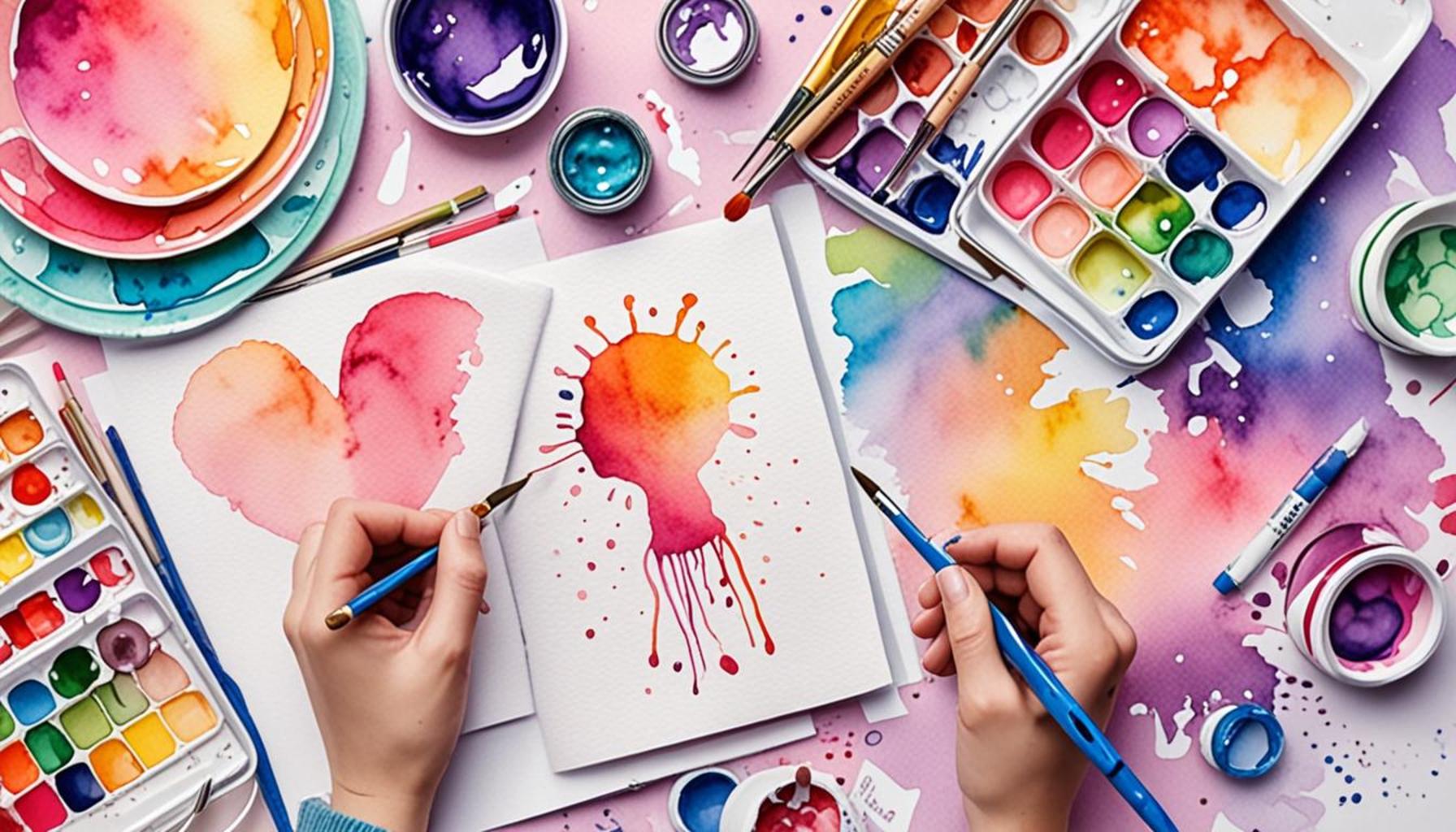
- Painting and Drawing: Artistic expression through painting or drawing can serve as a powerful outlet for processing emotions. According to a study published in the American Journal of Public Health, engaging in visual arts can significantly decrease psychological distress among individuals, boosting overall mood and functioning. The vibrant colors and fluid brush strokes allow for experimentation with emotions, leading to cathartic release.
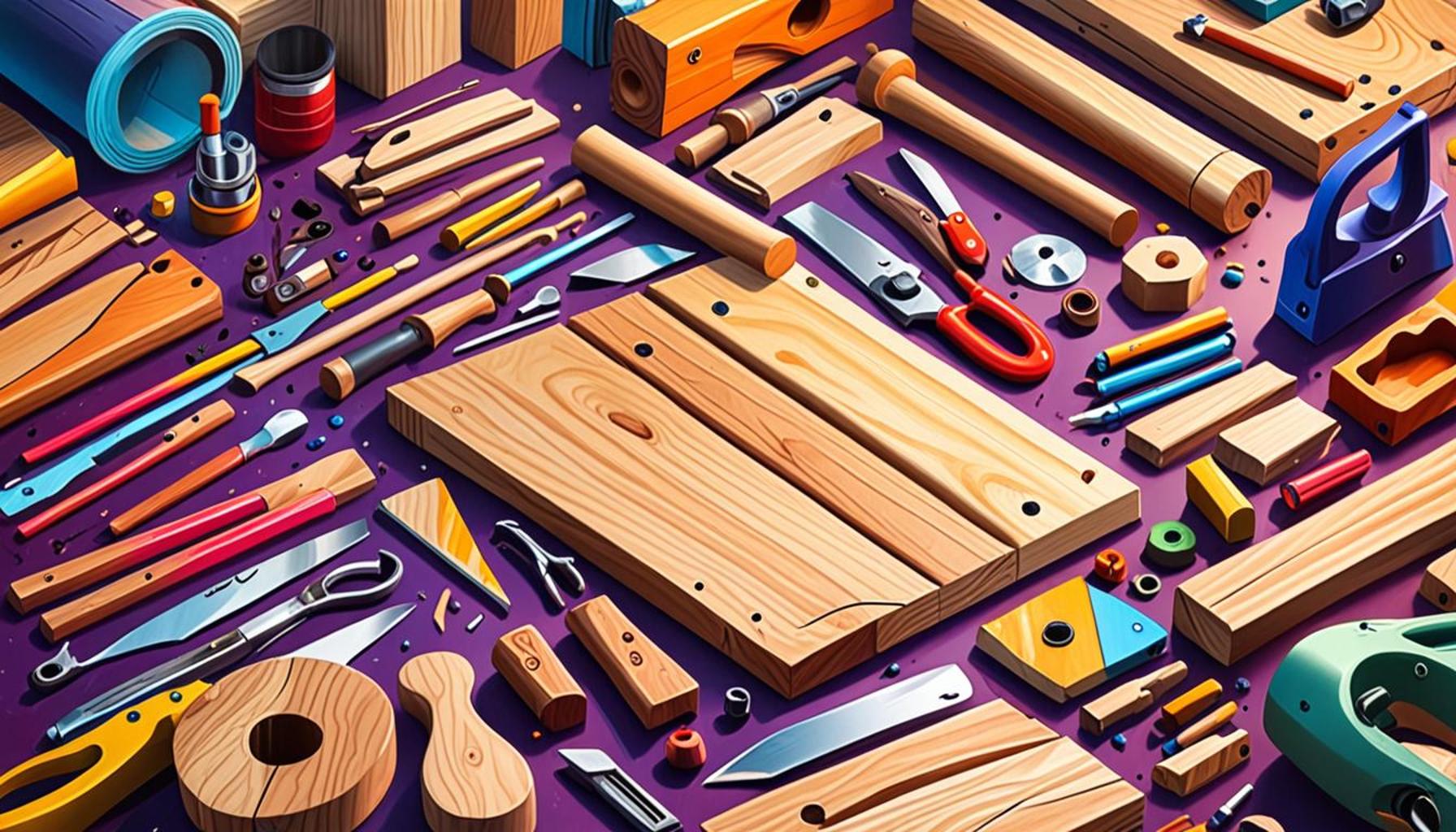
- Woodworking: Crafting with wood encourages focus and discipline. The precision required in woodworking can help individuals develop patience and resilience as they work on a project. A study conducted by the University of Exeter suggests that engaging in woodworking can foster self-esteem and competency, making it an effective tool for combatting feelings of inadequacy and depression.
The benefits of these crafts extend beyond individual experiences. Participating in group classes or workshops enhances the social aspect of crafting, creating clusters of support and camaraderie. Crafting communities often foster dialogue around mental health, encouraging individuals to share their journeys and challenges.
Moreover, the act of completing a craft project, whether it be a knitted scarf or a handcrafted vase, can provide a significant boost to one’s sense of achievement and purpose. For many, this can lead to improved motivation in other areas of life, acting as a catalyst for broader behavioral changes and improved mental health outcomes.
As individuals consider integrating crafting into their self-care routines, exploring various mediums can be a worthwhile endeavor. The right craft may resonate on a deeper level, providing not only a calming hobby but also a transformative tool for personal growth and healing.
Unleashing Creativity: The Therapeutic Power of Crafts
Engaging in crafts and manual skills serves as a unique form of therapy that not only enhances mental health but also acts as a powerful tool for self-expression. As individuals immerse themselves in the creation of tangible items, they often experience a surge of positive emotions. This process encourages a state of mindfulness, allowing the mind to focus solely on the task at hand, which can diminish the overwhelming nature of stress and anxiety.
Studies have shown that activities such as knitting, pottery, and painting can significantly reduce levels of cortisol, the stress hormone, leading to improved overall well-being. Furthermore, the act of creating something from scratch instills a sense of accomplishment, boosting self-esteem and confidence. These crafts can serve as a medium of communication for those who struggle to express themselves verbally, providing a pathway to share emotions and experiences in a safe environment.
The tactile nature of crafting engages the senses, fostering a deep connection to the present moment. Engaging one’s hands in the creative process not only keeps the mind occupied but also encourages the development of fine motor skills and coordination. This connection between physical activity and mental health is significant, as it facilitates a holistic approach to well-being, encompassing both body and mind.
A Community of Support
Participating in group crafting sessions or workshops can further enhance the therapeutic benefits. The social aspect of creating alongside others fosters a sense of community and belonging. Sharing experiences and knowledge while crafting can lead to meaningful friendships, crucial for emotional support. Connection with others who share similar interests cultivates a supportive atmosphere that can be incredibly beneficial for those struggling with mental health issues.
Overall, the transformative power of crafts in therapy signifies a dynamic intersection of creativity and healing. Through actively engaging in manual skills, individuals can unlock previously unparalleled avenues for emotional growth, making crafting not just a hobby, but a vital component of improved mental health.
| Category | Description |
|---|---|
| Creative Expression | Crafting allows individuals to convey feelings and thoughts that may be difficult to articulate verbally. |
| Stress Relief | Involvement in hands-on activities has been proven to lower stress levels and improve emotional stability. |
EXPLORE: Click here to discover the role of music in unlocking your artistic potential
Connecting Crafting with Emotional Resilience
The relationship between manual skills and mental health is increasingly recognized in therapeutic contexts. Engaging in crafts can provide a structured outlet for emotions, offering individuals the ability to build emotional resilience. One of the most compelling aspects of crafts is their ability to encourage mindfulness—a practice shown to alleviate symptoms of depression and anxiety.
Mindfulness, the practice of being present in the moment without judgment, can be easily integrated into crafting activities. As individuals focus on the intricate details of their work—whether that be the strokes of a paintbrush or the texture of a chosen fabric—they immerse themselves in the creative process, facilitating a mental escape from stressors. A study published by the Journal of Positive Psychology indicates that engaging in activities requiring focus, such as crafting, can significantly improve mindfulness and emotional regulation.
Digital Crafts and Mental Health: In a modern twist, digital crafting is gaining traction, particularly among younger individuals. Activities like digital illustration or virtual sewing patterns provide a unique blend of creativity and modern technology. Engaging with these digital platforms allows for immediate feedback and facilitates community connection via social media, offering participants an outlet for self-expression as well as emotional support through online craft communities. This dual engagement can potentially enhance mental well-being, fostering connection during times of social isolation.
Therapeutic Art Programs: Many mental health professionals are beginning to incorporate crafting activities into therapeutic sessions. Programs that blend art therapy with crafting techniques are emerging across the United States, presenting a holistic approach to mental health treatment. For instance, hospitals and clinics are teaming up with community centers to host crafting workshops, where patients can learn various crafts while sharing experiences in a supportive environment. The American Art Therapy Association has documented positive outcomes of these practices, including boosted mood and reduced symptoms of PTSD and anxiety.
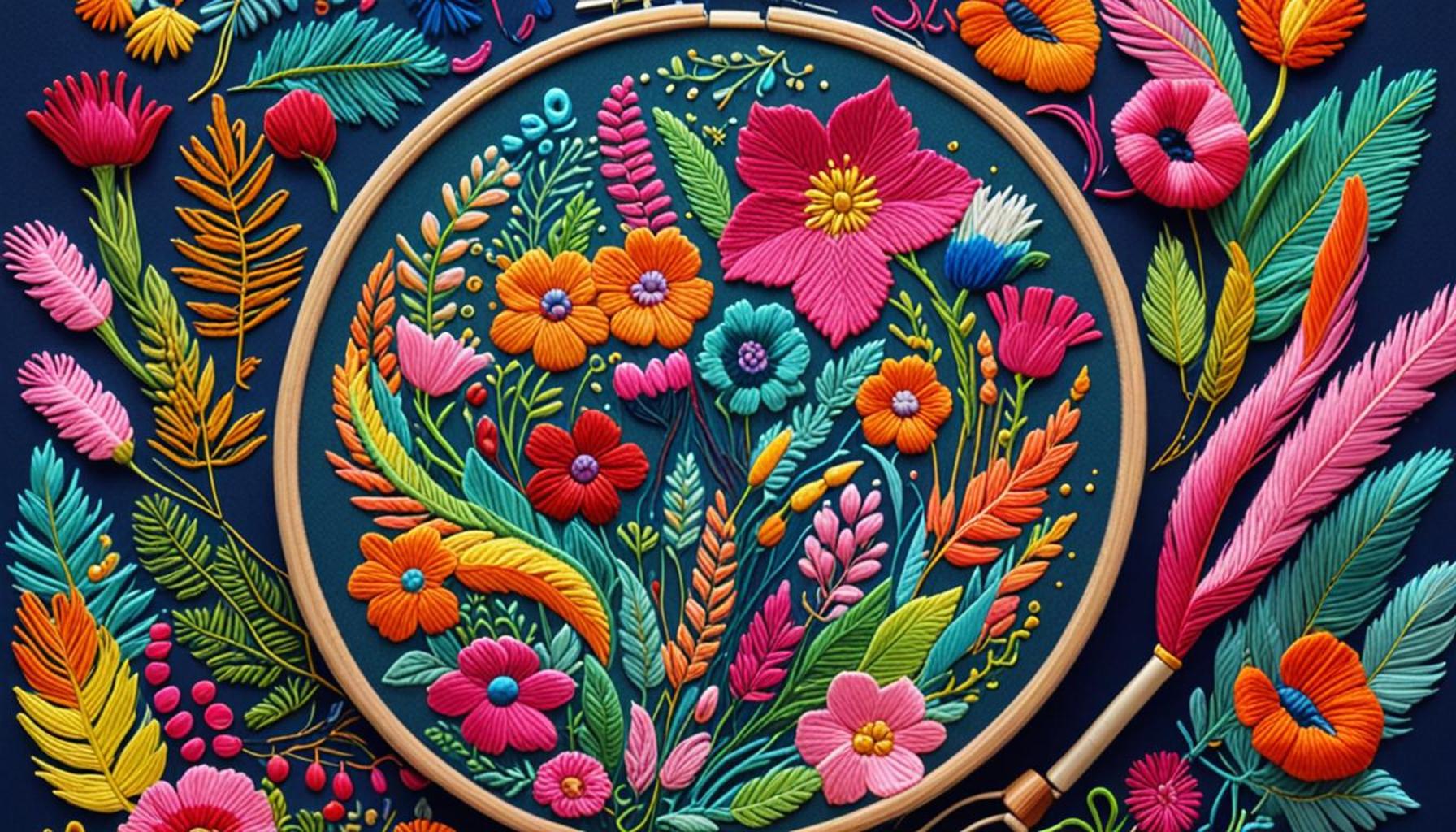
In addition, crafting enables personal stories to be told through creativity, enhancing self-discovery and emotional depth. Crafters frequently report feeling more connected to their identities when they produce something reflective of their thoughts and feelings. Those participating in textile arts, like weaving or quilting, often share that the repetitive motions not only provide comfort but also evoke memories, providing pathways to process complex emotions and experiences.
The Role of Nature in Crafting: Nature-based crafts, such as gardening or creating art with natural materials, have also gained popularity in the therapeutic domain. Engaging with nature has been shown to yield psychological benefits, including elevated moods and reduced feelings of stress and anxiety. Research from the University of Melbourne identifies time spent interacting with the natural world as a key component in fostering emotional well-being. These activities not only promote ecological awareness but also promote a sense of calm as individuals create and nurture life.
As techniques and approaches to therapy evolve, it becomes clear that the world of crafting is a dynamic ally in the quest for better mental health. The interplay between creativity, community, and emotional healing emphasizes that crafting is not just a pastime; it is a profound therapeutic tool poised to support individuals on their mental health journeys.
DISCOVER MORE: Click here to enhance your dance skills!
Crafting as a Pathway to Mental Wellness
In conclusion, the exploration of therapy through crafts unveils a transformative avenue to enhance mental health. As we have seen, engaging in various crafting activities—whether traditional, digital, or nature-based—not only fosters mindfulness and emotional resilience but also promotes community connections that can significantly diminish feelings of isolation. The evidence is mounting: from studies demonstrating the psychological benefits of crafting to the success of therapeutic art programs that integrate these activities into formal mental health treatment. Such practices illustrate that the act of creating is not merely a hobby but a powerful tool for emotional expression and healing.
Moreover, these activities allow individuals to explore their identities and process complex emotions, bridging the gap between creativity and therapy. As crafting evolves and integrates into modern contexts, there is vast potential for growth and discovery within the realm of mental health support. Whether one picks up a paintbrush, engages in digital creation, or cultivates a garden, the benefits are profound. Individuals embarking on this journey through crafts can experience a restorative process that enriches not only their mental well-being but also their sense of community, fostering a deeper connection to self and others.
As society continues to prioritize mental health, embracing the therapeutic potential of crafts presents an innovative approach worth exploring further. The next time you find yourself overwhelmed, consider reaching for those materials nearby; a world of healing and self-discovery awaits within the simple yet profound act of creating.

Linda Carter
Linda Carter is a writer and creative hobbies expert specializing in crafting, DIY projects, and artistic exploration. With extensive experience helping individuals discover their creative potential and bring their ideas to life, Linda shares her knowledge on our platform. Her goal is to empower readers with practical tips, inspiring ideas, and step-by-step strategies for success in the world of creative hobbies.